Loud – Controlled Escapism
Almost exactly one year after “Rated R”, “Loud” was released, marking the second in a sequence of albums strategically timed for late November releases. By 2010, the mainstream landscape had shifted toward lighter, more exuberant pop, driven by artists such as Lady Gaga and Katy Perry. Songs celebrating partying, pleasure, and nightlife dominated the charts, offering a form of escapism that resonated strongly in the aftermath of the 2008 financial crisis.
At the same time, labels continued to allocate high budgets to artists who had proven their commercial reliability. Katy Perry’s Teenage Dream, which produced six number-one singles in the United States, exemplified this model, combining bright, playful aesthetics with maximal chart performance. Rihanna’s team, having observed the reception of “Rated R”, recalibrated accordingly. Audiences had shown a clear preference for her more rhythmic and playful material, and “Loud” was constructed to amplify that appeal while maintaining the momentum she had built.
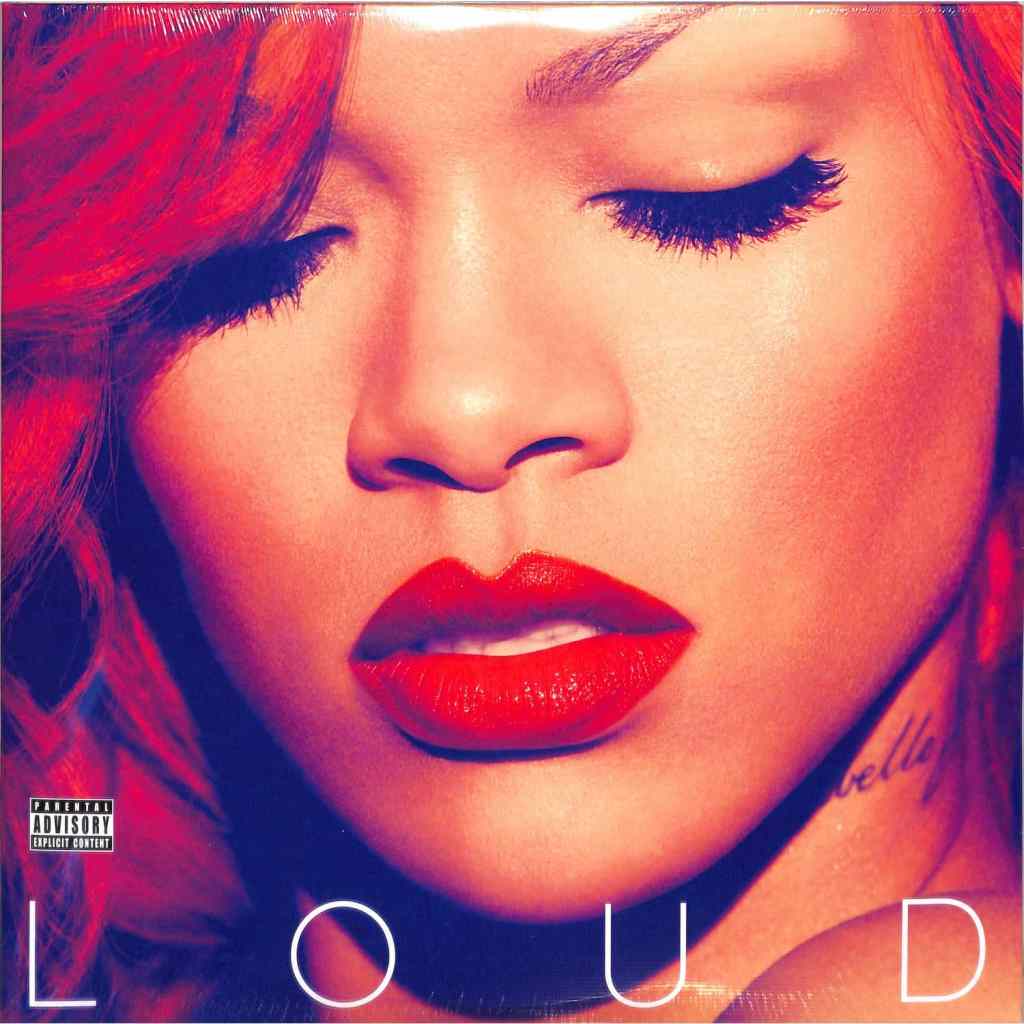
Visually, the era marked a decisive shift. The darker, angular aesthetics of “Rated R” and the editorial tone of “Good Girl Gone Bad” were replaced by a saturated palette of reds and pinks. The imagery foregrounded femininity, playfulness, and excess, while also engaging playfully with cliché representations of Black womanhood. The bright red hair became the central visual marker of the era, instantly recognizable and easily reproducible. At the same time, there was a deliberate move toward a more accessible and less controlled image. Rather than presenting herself as distant or untouchable, Rihanna leaned into performance, humour, and exaggeration. This was not a return to her previous persona, but a strategic departure from the severity of “Rated R”, allowing her to reconnect with a broader audience.
For the casual listener, the transition appeared seamless. “Rude Boy” had dominated the previous summer and was followed by the dance-pop of “Only Girl (In the World)” and the Caribbean-inflected “What’s My Name?” This created a sense of continuity, even as much of “Rated R”’s darker material was effectively sidelined. The relative absence of those tracks from the Loud Tour setlist further reinforced this shift, as the narrative of the previous era was quietly minimized in favour of a more celebratory tone.
Sonically, “Loud” is deliberately playful, moving between dance-pop, reggae-influenced tracks, and conventional ballads. These were not new directions, but previously successful formulas that Rihanna had already explored. What changes here is their organization. Rather than experimenting with sonic contrast, the album assembles these elements into a more commercially efficient structure. It functions as a consolidation of proven sounds, designed to generate a sustained sequence of hits within a relatively short period.
However, beneath this bright and accessible surface, the lyrical content becomes overtly confrontational. For the first time, controversy is not incidental but deliberately incorporated. On “S&M,” Rihanna uses BDSM imagery to frame her relationship with media scrutiny, turning spectacle into a form of commentary. The track’s repetitive and commanding vocal delivery reinforces her control over this narrative, even as it invites debate.
On “Man Down,” written by fellow Bajan artist Shontelle, she adopts a reggae framework to narrate the killing of a rapist. The song generated significant controversy, particularly in the United States, where its video was banned on certain television networks. Yet its reception differed internationally, becoming notably successful in markets such as France. Meanwhile, “Love the Way You Lie (Part II)” revisits themes of domestic violence, this time from the perspective of the woman who remains within the relationship, offering a more intimate and unsettling counterpart to the original version.
What emerges from these tracks is a clear disjunction between sound and meaning. While the production invites celebration and release, the lyrics often introduce themes that resist that function. The album encourages dancing and collective enjoyment, while simultaneously embedding narratives of control, violence, and emotional complexity.
The rollout strategy reflects a careful management of this tension. The era was launched with one of the safest and most accessible tracks, “Only Girl (In the World),” followed closely by “What’s My Name?” These songs secured commercial success, each reaching the number one position in the United States. Only after this foundation had been secured were more controversial tracks such as “S&M” and “Man Down” pushed forward. This sequencing allowed the album to maintain its commercial momentum while gradually expanding its thematic range.
The strategy proved highly effective. “Loud” became one of Rihanna’s most successful albums commercially, and its visual identity remains one of the most recognizable of her career. More importantly, it demonstrated a refined understanding of how to balance audience expectations with more complex artistic impulses. The album delivers the escapism that listeners sought, while simultaneously introducing lyrical elements that complicate that experience.
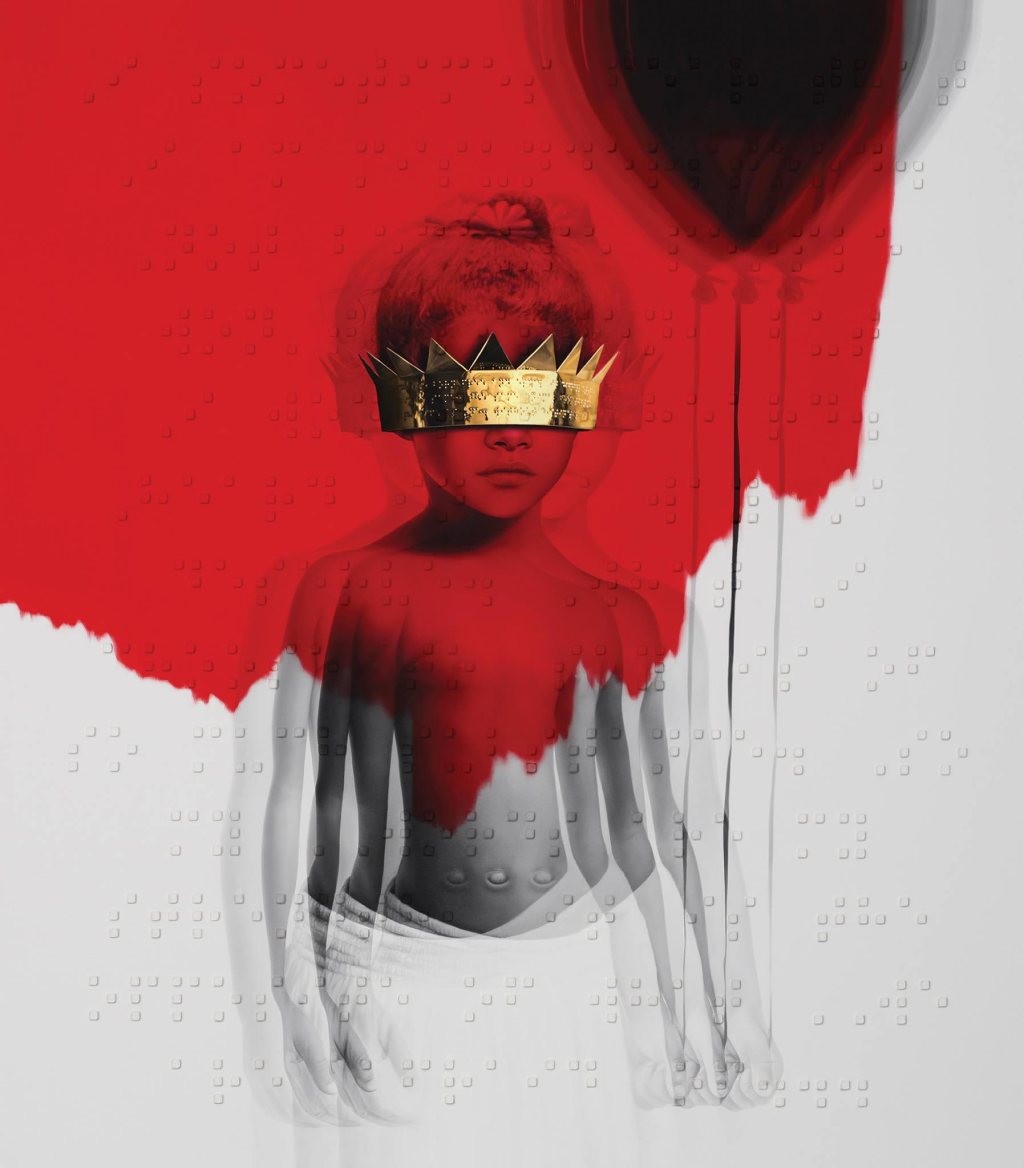
In retrospect, this dynamic anticipates a recurring aspect of Rihanna’s work. As suggested by the phrase “you heard, but you did not listen,” later associated with ANTI, “Loud” can be understood as an early example of this disconnect. Audiences engaged with the music primarily through its surface-level energy, often overlooking the more challenging themes embedded within it. In this sense, the album recalls earlier pop moments where upbeat production masked more unsettling lyrical content, allowing listeners to engage selectively with the material.
 Elemental Emancipation
Leave a comment